
Race Modes
Page snapshot
- SectionRace Modes
- AngleSession goals
- Pairs withRace events
- Then openEvent packaging
Community write-ups only. Nothing here sells a copy or claims studio status.
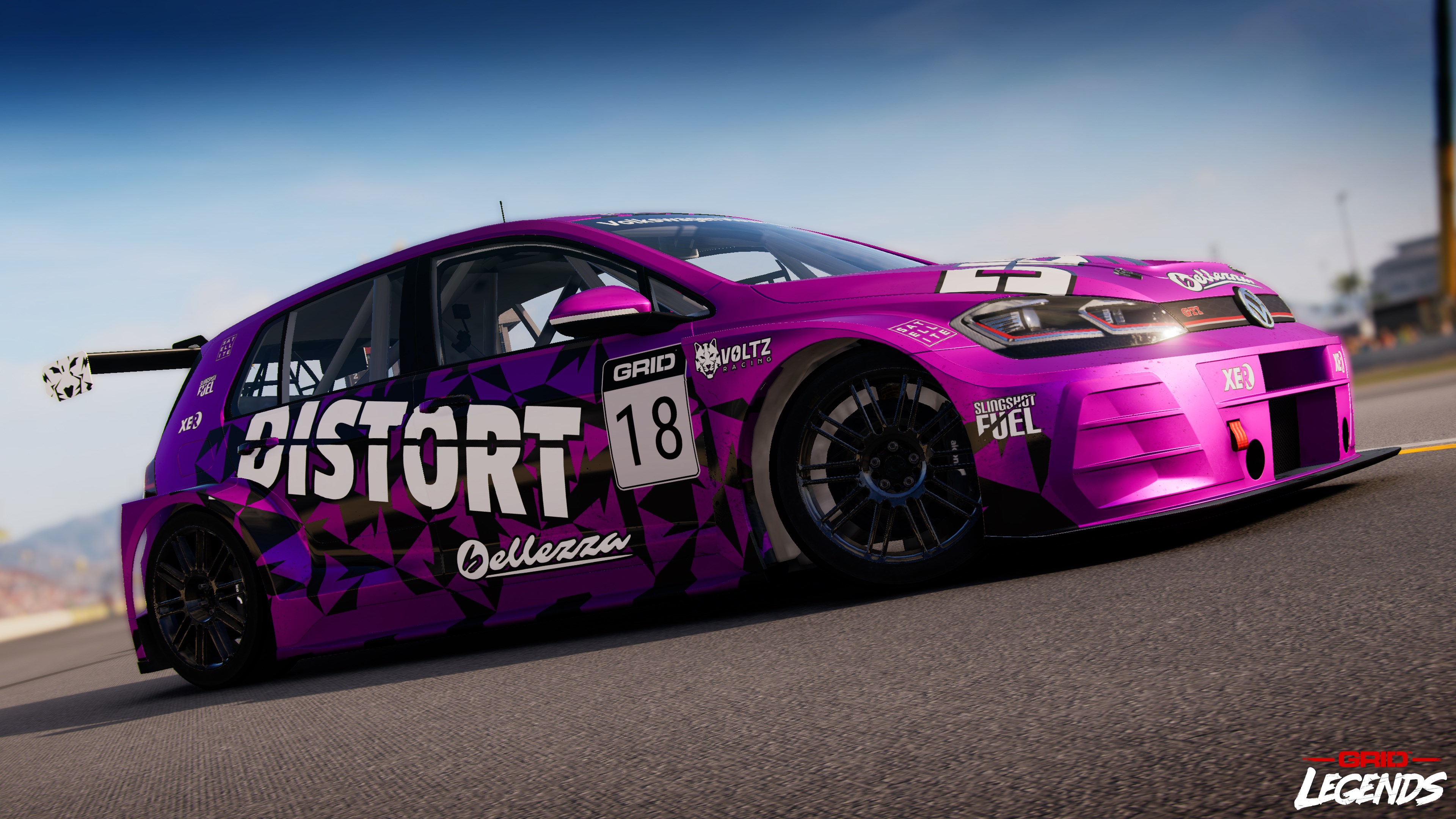
Session map
Modes decide the brief you take to the grid. One weekend may chase race position; another may hunt a clean time, survive knockout stages, or lean into a specialised style. This article outlines that organisation. It is not a leaderboard or score guide. The same venue can feel like a new problem once the measuring stick changes, even when the machine and bracket stay familiar.
Thinking in modes first stops you from treating every weekend as a simple finishing-order race. It also makes Career and Race Events easier to read, because those pages package goals rather than inventing new rule sets for each round.
- Classic circuit races still anchor much of the competition loop.
- Timed, elimination and specialised formats tilt the same layouts differently.
- Practice ideas here never claim automatic results.
- Mode choice sets the yardstick before machine preference takes over.
- Knockout-style pressure rewards clean stages as much as raw top speed.
- Specialised formats ask for a different reading of corners, not a new invented rulebook.
What shifts mid-race
The mode picks the measuring stick more than it picks the machine. Position races favour steady racecraft. Timed runs favour a tidy lap. Knockout formats keep every stage tense. Where drift-style play appears, corners are read in another way. Event packaging lives on Race Events. Extra invented modes and fake score charts stay off this page.
Mid-race decisions follow that stick. Defending a place, banking a clean sector or surviving the next cut each call for different risk. None of those choices become a guaranteed result sheet on this fan project; they are habits for reading the brief you were given.
How to read this
Use Race Modes as the rules overview, Race Events for how weekends stack, and Tracks for the places those rules land. Guide tips are optional drills only. They never guarantee pace, scores, or one mandatory plan. If a tip ignores the mode, it is incomplete even when the line advice sounds sharp.
When two pages disagree in emphasis, check which question they answer. Modes explain the goal; tracks explain the space; events explain the package. Keeping those lanes separate avoids turning every article into a repeat of the same paragraph.
Goal pressure
Some modes spread pressure across a full race distance. Others front-load it into short stages where one mistake ends the run. Naming that difference helps you practise the right habit: race craft for long order battles, reset discipline for elimination heats, and sector focus for timed sessions.
Pressure also changes how you use traffic. In position races, a safe pass can matter more than a hero move. In timed work, clear air and a committed line often matter more than fighting for inches. Those are orientation notes, not scoring formulas.
Where next
Move on to Race Events for calendar structure, or Tracks when the layout character is the missing piece. Features sketches how modes sit beside career and story routes. Contact is for commenting on this fan project, not for studio help.